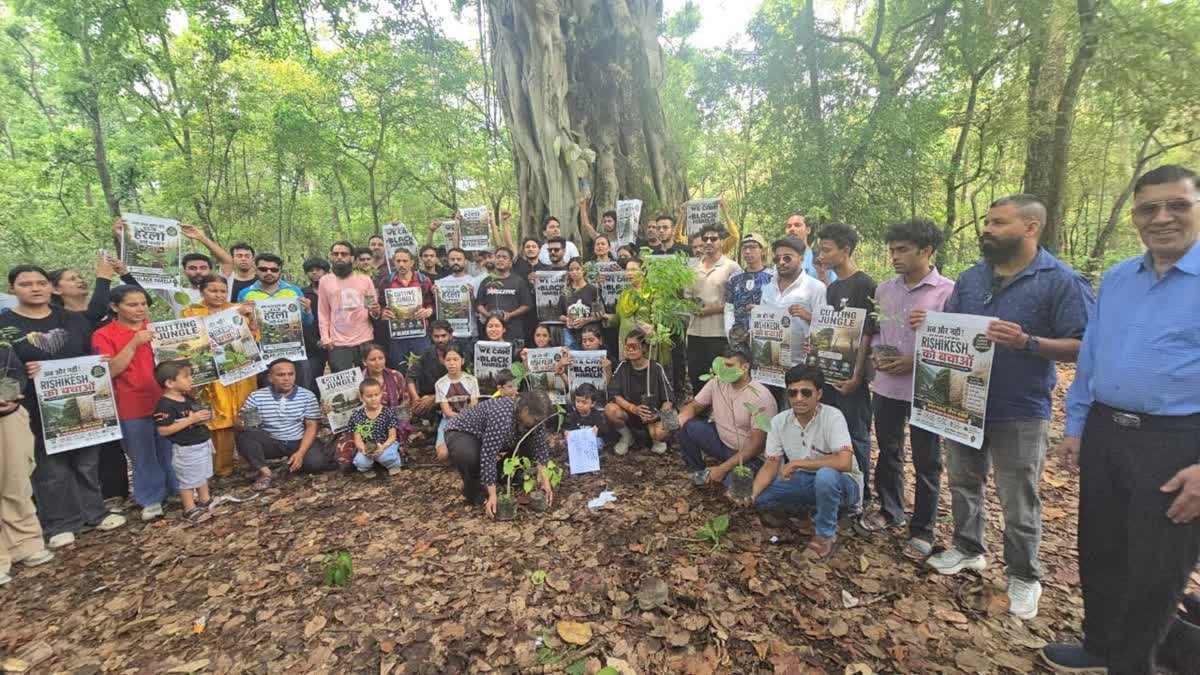
Amidst ongoing protests regarding the Dehradun-Rishikesh four/six-lane project, Chief Minister Pushkar Singh Dhami has taken a significant decision. The Chief Minister clarified that the felling of trees proposed under the project is being suspended until a satisfactory consensus is reached with all parties involved.
Chief Minister Pushkar Singh Dhami announced this decision via a social media post. Writing on ‘X’ (formerly Twitter), he stated, “I have taken serious note of the concerns and suggestions expressed over the past few days by numerous citizens, environmentalists, and local residents regarding the Dehradun-Rishikesh four/six-lane project.
This is a crucial infrastructure project of the National Highways Authority of India (NHAI), and work on it was proceeding in compliance with the Hon’ble High Court’s directives and all necessary statutory and environmental clearances and procedures.”
He further added, “To ensure wildlife conservation, the project includes provisions such as an approximately 3.5-kilometer-long elephant underpass and special culverts for the movement of smaller wildlife. These measures will help reduce human-wildlife conflict and wildlife fatalities resulting from road accidents—incidents frequently observed on this route.
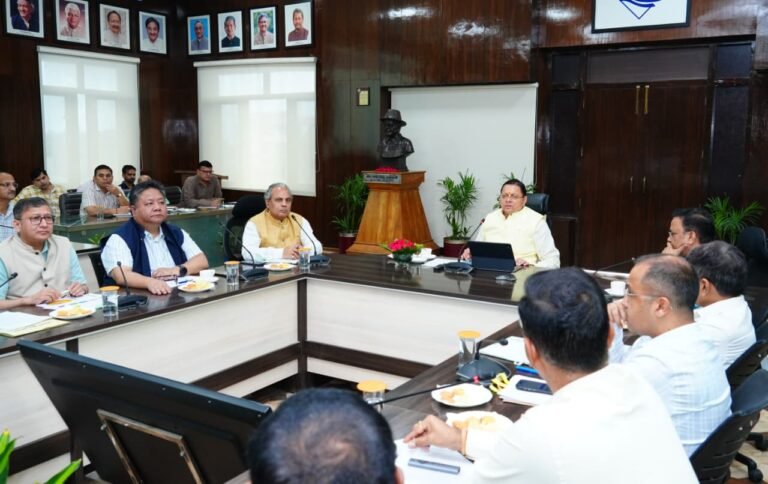
Development is essential for us, but no decision will be taken by disregarding public sentiment, the environment, or local interests. With this objective in mind, I have instructed the Principal Secretary and concerned officials to initiate a fresh, detailed dialogue with all stakeholders, local citizens, public representatives, and experts.”
CM Dhami added, “Future actions will be taken with full respect for the directives and decisions of the Hon’ble High Court. Furthermore, the felling of trees for this project will remain suspended until an atmosphere of trust and satisfactory consensus is established among all parties. For me, Uttarakhand’s nature, public sentiment, and the state’s development are all equally important. Our government will move forward based on dialogue, consensus, and the broader public interest.”